

RICHMOND LEGACY PAVILION
Community & Public Space
The Richmond Community Pavilion was conceived as a landmark "built for the community, by the community." As a centerpiece of the historic Richmond Fairgrounds, the goal was to create a multifunctional, open-air structure that could serve as a year-round hub for public gatherings, cultural events, and private celebrations—all while honoring the village’s 200-year legacy.
❋ A Multi-Functional HubDesigned to host everything from the Richmond Fair’s "beer gardens" and farmers' markets to weddings, yoga classes, and youth group meetings.
❋ Indoor-Outdoor DialogueThe open-air design maximizes natural ventilation and connectivity to the surrounding fairgrounds.
HIGH VOLTAGE REPAIR BAYS
Industrial Retrofit | Sustainable Infrastructure
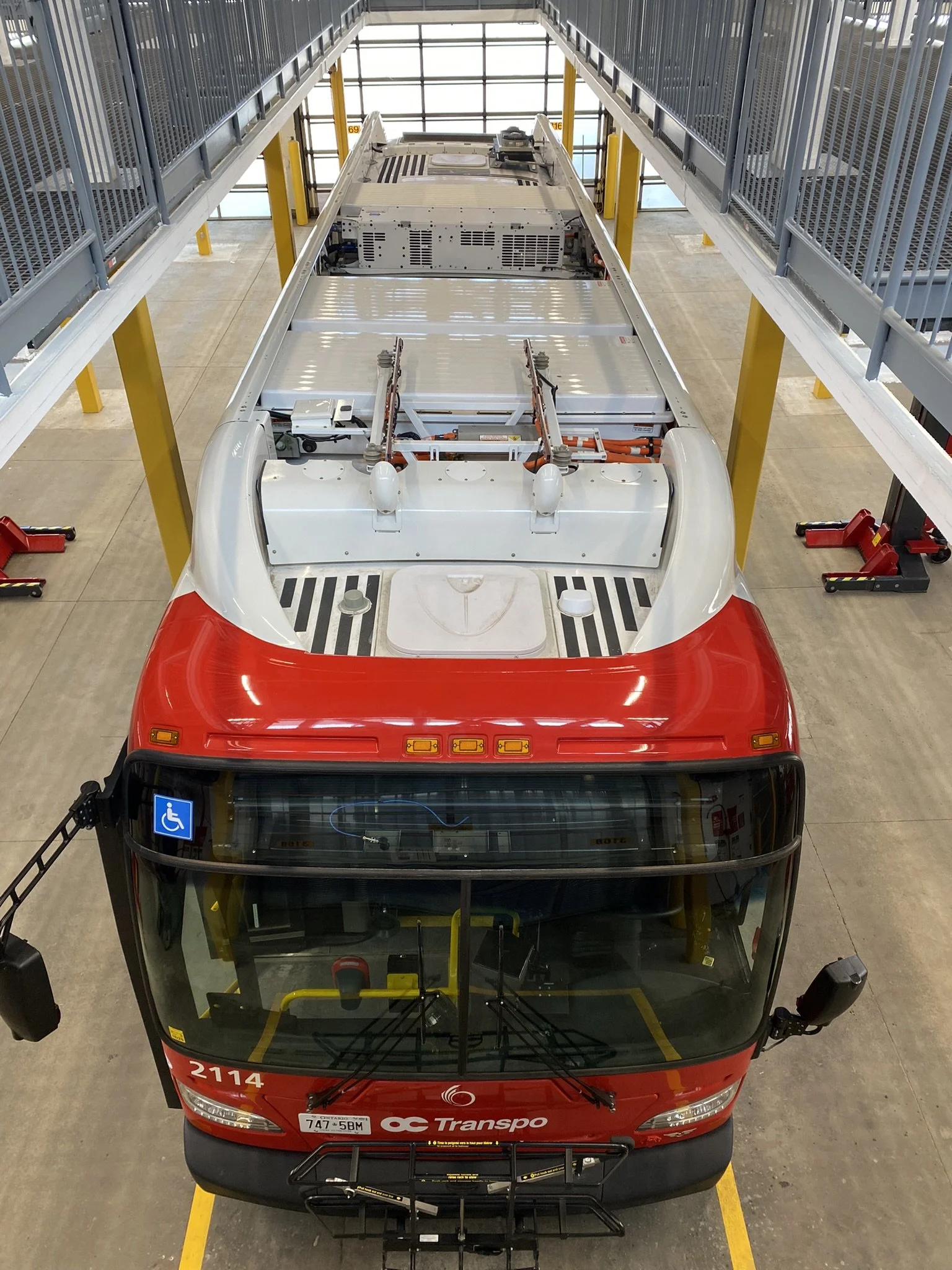
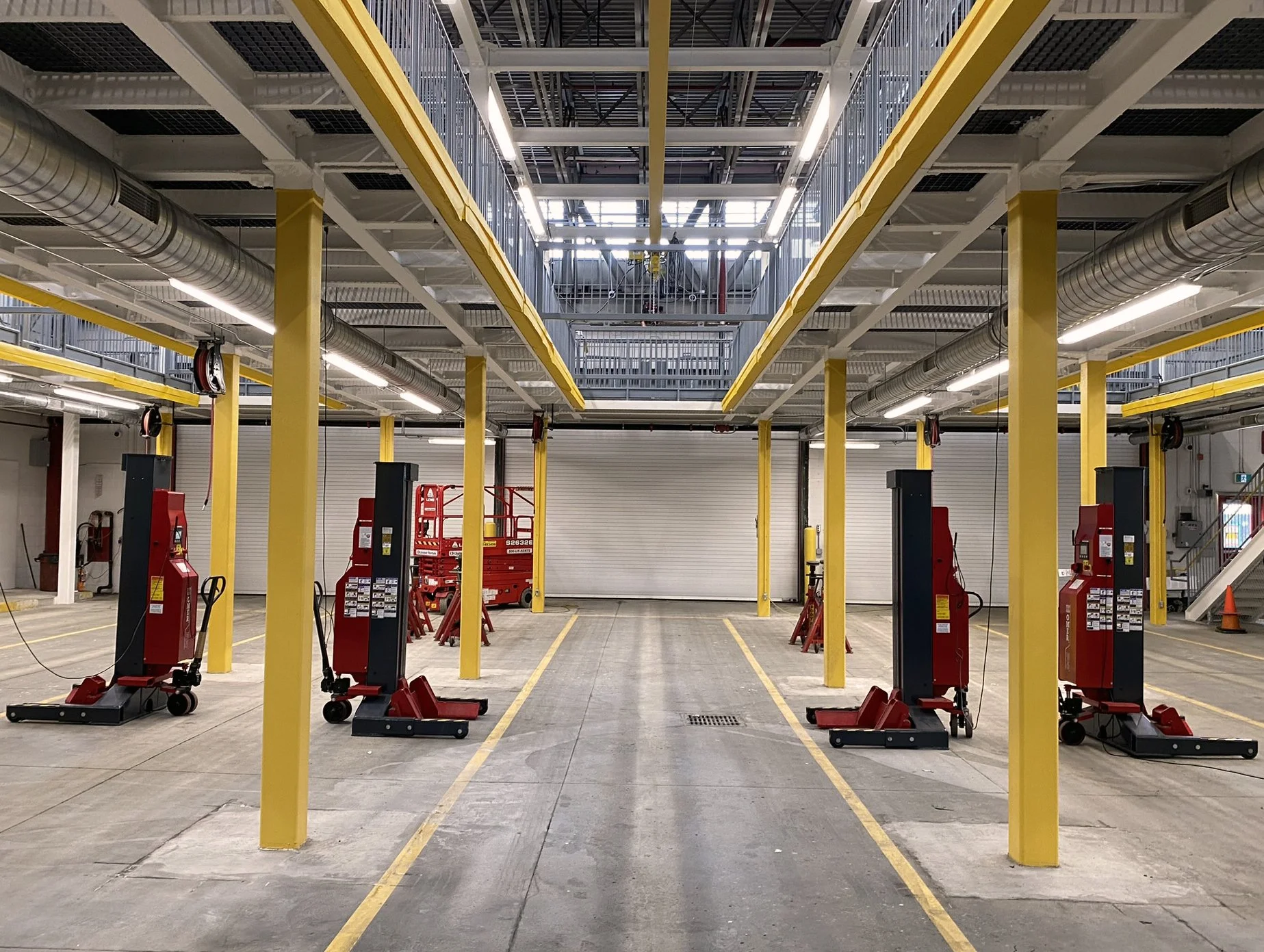
As part of the City of Ottawa’s goal to transition to a fully zero-emission bus (ZEB) fleet by 2036, the existing transit infrastructure required a massive technical evolution. The EV High Voltage Repair Bays project at the St. Laurent North Garage was designed to transition traditional diesel maintenance spaces into specialized, high-safety environments capable of servicing next-generation electric bus technology.
❋ High Voltage Safety InfrastructureDesigning specialized bays equipped to handle 600V+ systems, including dedicated grounding, safety clearances, and specialized tool storage.
❋ Fire & Life SafetyUpgrading sprinkler systems and creating enhanced fire separation to meet the unique safety standards required for large-scale lithium-ion battery maintenance.
REYNOLDS PARK PAVILION
Public Space | Waterfront Infrastructure
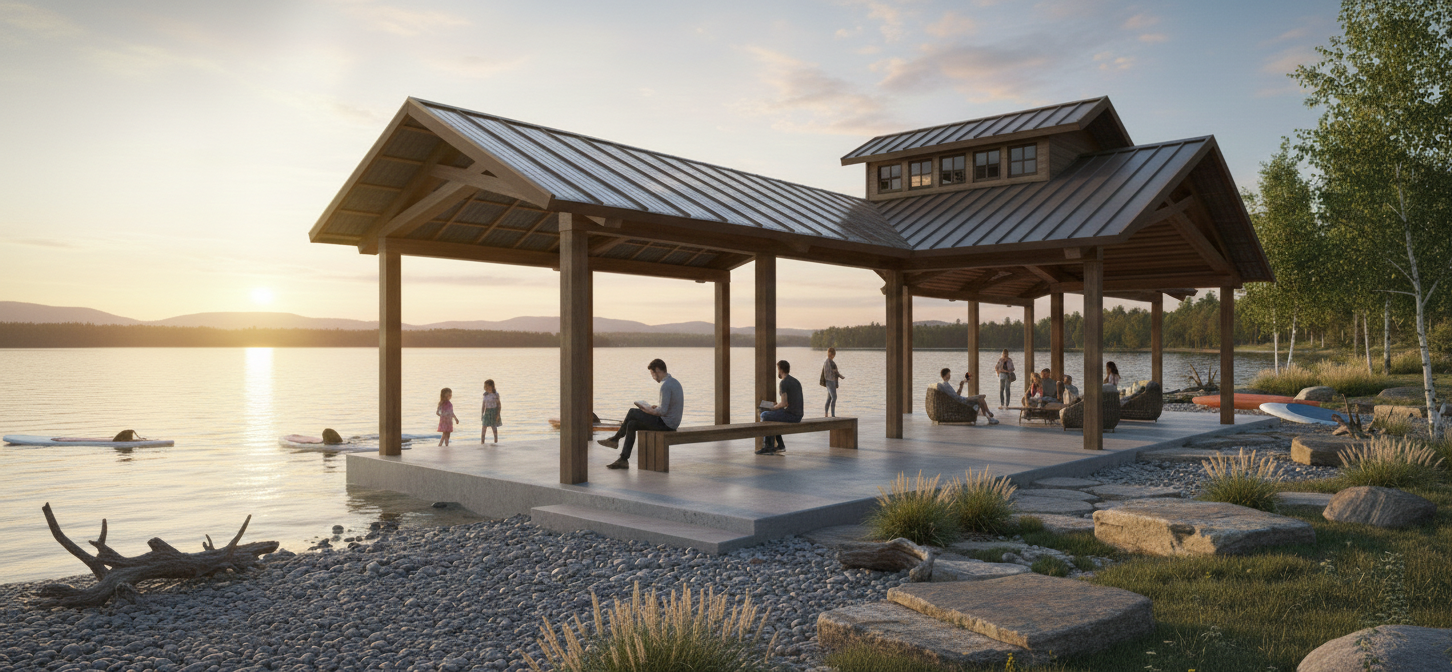
Reynolds Park serves as a critical link in the Brockville waterfront, bridging the gap between the historic downtown and the St. Lawrence River. The vision for the new pavilion and park upgrades was to transform an underutilized green space into a premium viewing destination and community gathering point that celebrates the unique geography of the Thousand Islands. The architectural intervention focuses on transparency and orientation. The pavilion was designed as a "landscape frame," with specific structural alignments intended to capture the panoramic beauty of the St. Lawrence.
❋ Materials that EndureUsing a palette of resilient materials—timber, steel, and stone—the design reflects the nautical and industrial heritage of Brockville while standing up to the harsh weather conditions of the riverfront.
❋ Framed VistasThe geometry of the pavilion is intentionally angled to provide visitors with a protected, unobstructed view across the shipping channel toward the Adirondack Mountains on the New York horizon.